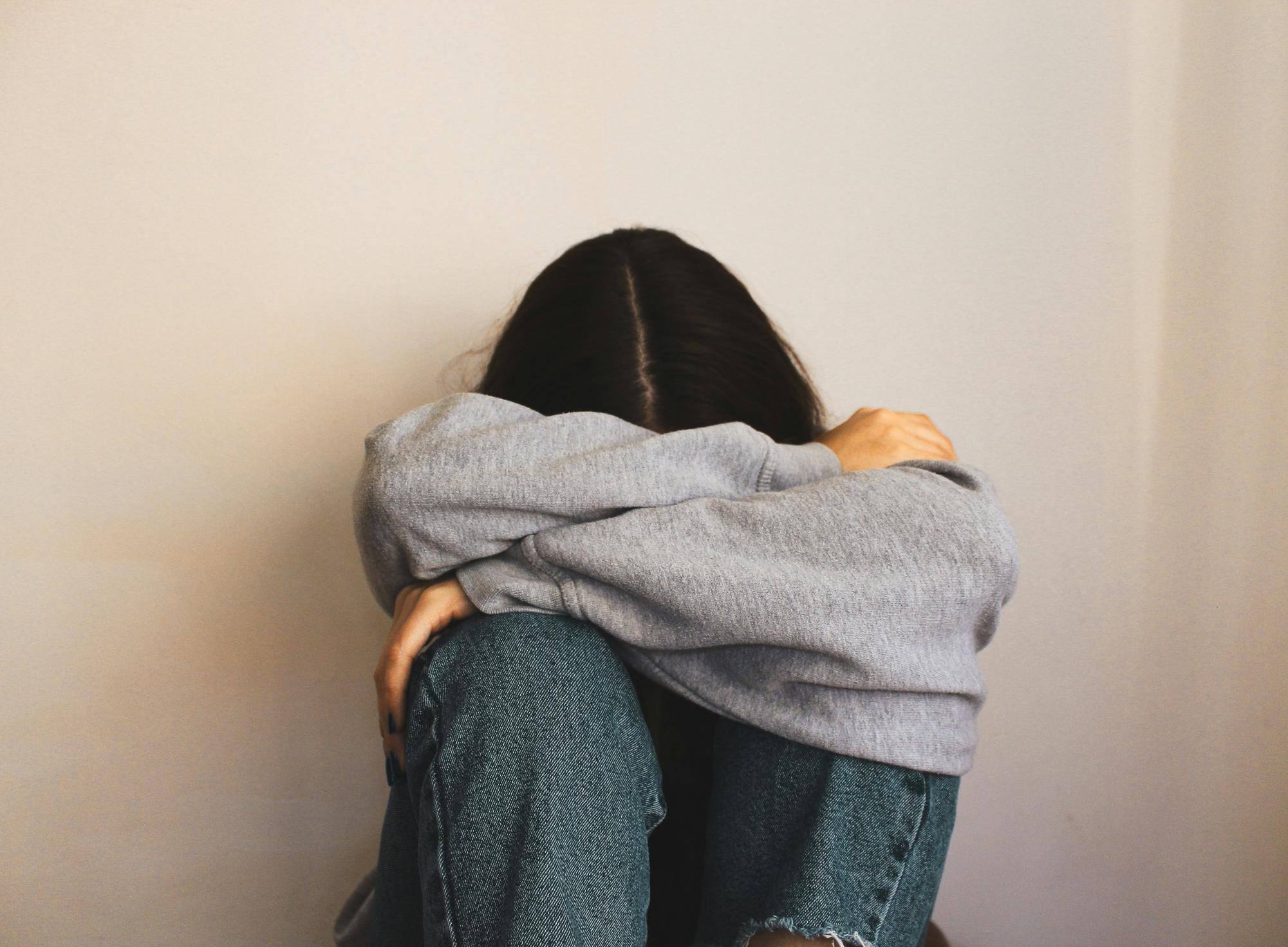
When the temperature plunges, the sun disappears before dinner, and the world turns gray for months on end, many teens start to feel their mood slipping with the daylight. Seasonal depression is known by many labels, (“January blues,” “winter funk,” and “holiday slump” to name a few) but its official title is Seasonal Affective Disorder (SAD). SAD is a mood disorder that negatively affects mental health, specifically during the coldest months of the year. Symptoms can include losing interest in activities, change in appetite, low energy, anxiety, or recurring negative thoughts. According to the University of Utah, more than 10% of Utah residents experience seasonal depression, which is twice the national average.
The evidence behind why people get seasonal depression is limited, but experts agree it is strongly connected to the winter season. But why is that? According to Andy Williams, isn’t it “the most wonderful time of the year?”
One of the most obvious factors is the shift in weather and sunlight. Because of daylight savings time, the amount of natural light available during winter decreases significantly. Sunlight plays a key role in raising serotonin levels (the “feel-good” chemical in the brain that helps regulate mood). Less sunlight can lead to lower serotonin, making people more vulnerable to depression. Additionally, extreme cold can be uncomfortable and inconvenient, adding extra tasks like scraping ice off windshields or shoveling snow before school.
School stress is also an issue. Finals week, group projects, and the start of a new semester create a heavy workload for teens. Many students feel overwhelmed, especially during the notoriously challenging third quarter, which only adds to emotional exhaustion.
Despite the winter season being filled with celebrations and holidays, many teens still find themselves feeling lonely. Social media can intensify this feeling, as if it often highlights seemingly perfect family gatherings, gift exchanges, and holiday traditions. For those who are dealing with conflict at home, missing loved ones, or simply feeling disconnected from their peers, this time of year can heighten the sense of isolation. Even teens who are surrounded by people may feel out of place or emotionally drained. The pressure to be “festive” or “cheerful” can make it difficult to admit when something feels off, causing many to struggle in silence.
Even though winter can be challenging, there are ways for teens to reduce the effects of SAD. Spending time outdoors, opening blinds during the day, staying active, connecting with friends, and seeking help from a counselor or trusted adult can make a difference. Small things like participating in a hobby one enjoys can also help. Studies show that making your life more “aesthetic” can also brighten your day. Remind yourself about the things in winter that are enjoyable, like cozy sweaters and holiday lights, and keep going.