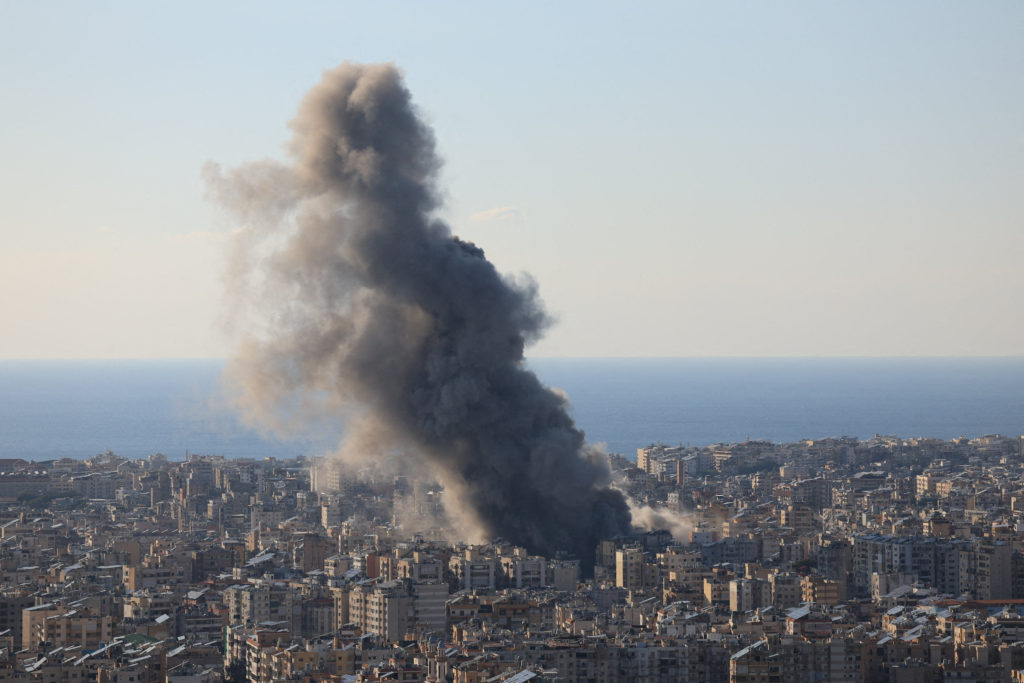
More than eight weeks ago on Feb. 28, the United States and Israel launched a joint attack on Iran, and in response Iran closed the strait of Hormuz. This action of closing the strait caused issues immediately, and if it continues to stay closed, the consequences will increase in severity.
Since the late 1970s, Iran and the United States have had a volatile relationship. The Iran hostage crisis was the beginning of the animosity between the two nations. Up until the second Trump administration, the relationship has wavered. After failed attempts to reach an agreement on Iran’s nuclear program which is seen by Trump as a threat, in February 2026, the United States and Israel struck Iran in a military attack. The Iranian supreme leader, Ali Khamenei was assassinated.
In response to the attacks, Iran temporarily closed the strait of Hormuz. The strait is a passage in which 25% of all maritime oil trade passes through. This closure created shortages and skyrocketed oil prices around the globe. Thousands of products depend on oil for production, the increase in oil price has had significant effects on the economy outside of gas prices. Specifically in the United States, the surge in oil prices has caused manufacturing and transportation to be much more expensive, as a result companies have had to increase prices in order to compensate, this causes the federal bank to raise interest rates in order to discourage spending to prevent massive inflation. However, the rise in interest rates makes it more difficult to borrow money in any way, whether for a car, student loans, or a house. However, when interest rates rise, banks increase the APY on savings accounts, which gives a larger percent of your savings to you each year, in order to encourage people to save money.
This increase in interest rates as a result of the war means that it will be harder for current teenagers to buy a home and become financially independent upon graduation, and lower income households will struggle due to having to spend a larger percentage of their small income on gas. Small businesses, especially those just starting out will also struggle. The closure of the strait of Hormuz has increased oil and energy prices, forcing small businesses to either shut down or raise prices.
Though peace negotiations are ongoing to reopen the strait of Hormuz, the strait remains closed. If it does not open soon, the first countries to have a national crisis will be east Asian nations such as the Philippines, China, and Japan. Because some of these countries are up to 90% dependent on the strait for oil, if the blockade continues production will slow and factories will face power cuts to ration energy. If production slows in Asia, the global economy including the United States will be affected. Asian countries produce the majority of computer chips, meaning that if production of those stops or slows, many goods in the United States that use a computer chip will jump in price dramatically, cars, phones, and any other electronic devices.
Ultimately, the closure of the strait of Hormuz is an event that will affect the globe if it is not resolved soon. Prices will rise, interest rates will stay high, and unemployment rates will slowly increase.